

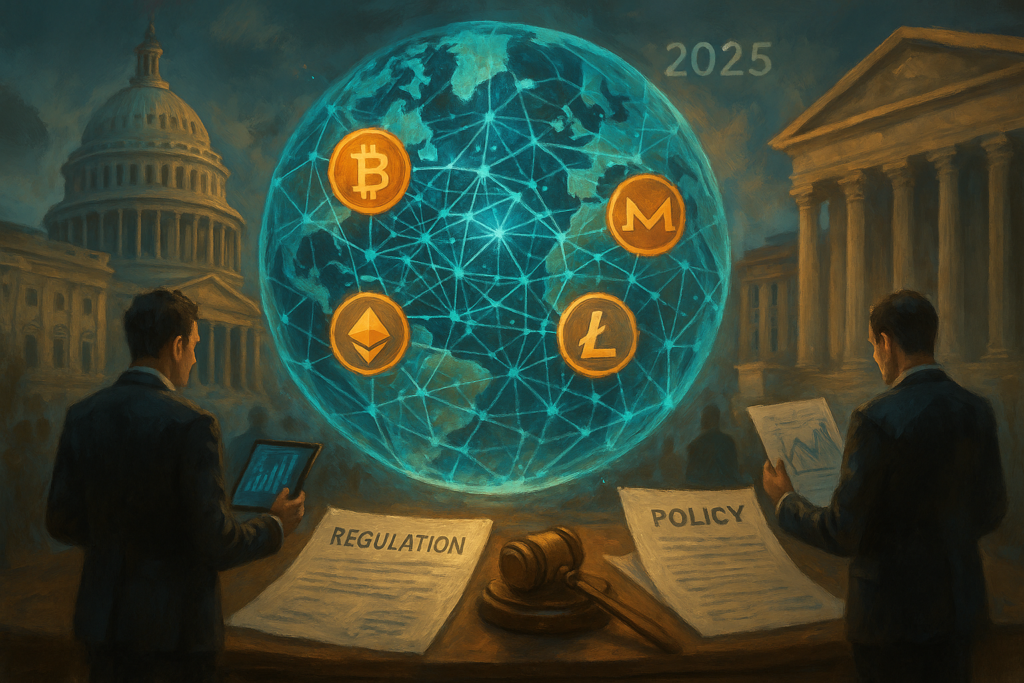
The world of cryptocurrency is moving faster than ever, and 2025 is shaping up to be a critical year for new regulations. As governments worldwide react to the explosive growth of digital assets, investors face both new opportunities and fresh challenges. Whether you’re trading Bitcoin, holding Ethereum, or exploring DeFi apps, staying up to date with crypto policy is essential for protecting your investments and understanding market risks.
Why Crypto Regulation Matters in 2025
For much of its early life, cryptocurrency operated almost completely outside the bounds of traditional regulation. This freedom drove innovation—but brought risks, too. Issues like fraud, hacking, and wild price swings kept many mainstream investors at bay. In 2025, things are changing. Policymakers now recognize the impact of crypto markets on mainstream finance, leading to a wave of new rules covering everything from anti-money laundering (AML) to taxation.
Key Policy Changes Happening Globally
Let’s break down the major regulatory themes taking shape in major economies this year. Understanding these will help you anticipate what’s ahead, whether you invest in India or overseas.
1. KYC and AML Requirements
Know Your Customer (KYC) and Anti-Money Laundering (AML) rules are among the strongest new requirements. Many countries now demand that crypto exchanges verify identities—just like banks. This means more paperwork, but also a more secure investing environment. If you’re using an exchange in 2025, expect to submit ID proof, address verification, and sometimes even a PAN card if you’re an Indian investor.
2. Crypto Taxation Rules
Tax treatment of cryptocurrencies is getting stricter everywhere. India, for example, imposes a 30% tax on gains from crypto assets as per the Income Tax Department. Some countries are debating lower rates for long-term holdings versus higher rates for quick trades. Regardless, reporting crypto gains is now unavoidable. Investors must keep accurate records of every transaction.
3. Stablecoin Oversight
Policymakers see stablecoins as a big risk to currency stability if unregulated. The US, Europe, and Asian regulators are working to force stablecoin issuers to maintain strict reserves and submit to regular audits. If you hold or use stablecoins for payments, check if your provider is registered and meets these new regulatory standards.
4. International Cooperation
Crypto is global, so countries are now cooperating. Expect more data sharing agreements between tax authorities and tighter scrutiny of international transactions after the rise of cross-border scams.
5. Consumer Protection and Insurance
In 2025, exchanges and DeFi platforms in some jurisdictions must provide clearer information on risks and may be required to hold insurance against hacks. This is a positive for risk-conscious investors. Always check what protections your chosen platform offers.
How Regulation Affects Crypto Investors in 2025
The push for regulation aims to make crypto investing safer—and more transparent—but there are trade-offs. Here’s what you need to watch out for:
- More Paperwork: KYC, proof of funds, and additional reporting make opening new accounts or moving money more complex.
- Lower Anonymity: With mandatory KYC, truly anonymous crypto trading is fading.
- Spotlight on Tax Reporting: Failing to report crypto profits may trigger penalties or scrutiny. Use tools or consult a tax professional for compliance.
- Reduced Fraud Risk: Regulated exchanges are safer, but always do your homework before depositing funds.
- New Investment Products: As countries approve crypto ETFs and other regulated products, beginners may find easier, safer ways to gain exposure.
Major Markets and Their Approaches
- India: Crypto is legal but tightly taxed. RBI still does not support cryptos as official currency. Only exchanges following strict KYC and compliance rules are allowed to operate.
- United States: Focus on classifying tokens (as securities/commodities), and bringing DeFi under the Securities and Exchange Commission (SEC) and Commodity Futures Trading Commission (CFTC). Stablecoin regulation is prominent.
- European Union: The Markets in Crypto-Assets (MiCA) framework demands registration, capital requirements for platforms, and strict consumer disclosures.
- Asia-Pacific: Countries like Singapore and Japan offer clear licensing for exchanges but with strong enforcement.
Keep in mind: Rules are evolving, so regular research is essential for global investors. Follow official sources or consult financial advisors operating in your jurisdiction.
How to Stay Safe and Compliant as a Crypto Investor
- Use regulated exchanges with a good track record.
- Maintain updated KYC information for every platform you use.
- Record every transaction, especially if you trade often or move assets between wallets and exchanges.
- Watch the status of overseas exchanges you use—cross-border rules can cause sudden account freezes.
- Review insurance and consumer protection policies offered by your chosen crypto platforms.
- Consult a tax expert if you have significant crypto holdings—rules around crypto gains, losses, and reporting are strict and can be costly if ignored.
Want to diversify your finance portfolio beyond crypto? Check out the latest zero annual fee cards and compare credit cards tailored for your needs.
Common Questions: Crypto Regulation in 2025
Is investing in cryptocurrency still legal in India?
Yes, but regulations have tightened. Crypto assets are taxed, and only SEBI-registered or RBI-compliant exchanges may operate. Using unregistered platforms or failing to pay taxes could invite legal action.
Will I need to pay tax on every crypto transaction?
Most likely, yes. In India, all crypto gains—whether from trading or selling—are taxed at a flat rate. It’s crucial to report these in your annual returns. Many other countries are updating their tax systems similarly.
How can I verify if a crypto exchange is safe or compliant?
Look for KYC, AML, and security certifications on their website. Prefer larger players with a proven history and regulatory registrations. It’s also good practice to check their compliance status through government portals.
Are stablecoins risk-free under new rules?
No investment is fully risk-free, even with oversight. Regulatory scrutiny helps, but stablecoin failure is still possible if reserves are mismanaged or regulations not followed. Review stablecoin audits and reserve transparency when choosing one.
Can I use international exchanges as an Indian resident?
It may be possible, but regulations are changing fast. Indian authorities may ban or restrict access to certain international platforms not complying with local laws. Monitor RBI and SEBI announcements regularly for updates.
Conclusion: Stay Proactive With Your Crypto Strategy
The regulatory landscape for crypto in 2025 is complex—but not impossible to navigate. Responsible investors keep up with new rules, choose safe and compliant platforms, and report taxes honestly. With the pace of change, don’t let regulation catch you off-guard. Stay informed, diversify your finance tools, and always check sources for updates.
Looking to build a more balanced financial life? Explore hand-picked articles and reviews on FinWitty’s blog, or use our Find My Card tool to discover top cashback credit cards and compare credit cards based on your goals.